

Lower pitchers
This page provides a comprehensive overview of all documented clones of Nepenthes villosa currently recorded in the Carnivorous Plant Database. The table below includes verified clone numbers, geographic origin, sex, distributor information, and reference images.

Representative tagged photos across the documented clones.
| Thumbnail | CPD Clone | Clone | Location | Sex | Distributor | Description |
|---|---|---|---|---|---|---|
 |
CPD-0413 | MT02 | - | Unknown | Andreas Wistuba | - |
 |
CPD-0206 | MT01 | Gunung Kinabalu | Unknown | Andreas Wistuba | - |
|
|
CPD-0014 | (In-Situ) | Gunung Tambuyukon | - | - | Pitchers from Nepenthes villosa that grow on Mount Tambuyukon are more elongated compared to those on Mount Kinabalu. |
 |
CPD-0009 | BE-3225 | - | Female | Borneo Exotics | Very vigorous Clone. Easier than other Clones in circulation. Description from BE Clone List: Selected many years ago from amongst 22 clones for its vigour, this clone is known to be far easier to grow than any example of this species offered from vendors elsewhere. N. villosa is renowned to be difficult to grow, and usually needs very cool night temperatures. However, we don’t find this with our clone. The photos shown here are from plants of this clone grown in our nurseries, which never drop below 12 deg C at night (the maximum temperature might reach 30 deg C on a hot day). The difficult stage for this species is when plants are small and tender, but when established and hardened, they are not so difficult, but still slow. Although these plants are slightly smaller than our usual “small” size, having a leaf canopy of at least 3.5cm (1 ½”) in diameter, they are considerably larger than the last time we offered them, some years back. They are VERY well hardened. Please note that it is a characteristic of this species that sometimes plants may have a healthy leaf canopy and pitchers and poorly developed root systems. |
| No image | CPD-0008 | JG01 | Gunung Kinabalu | Unknown | Andreas Wistuba | Originally from ABG (Atlanta Botanical Garden) |


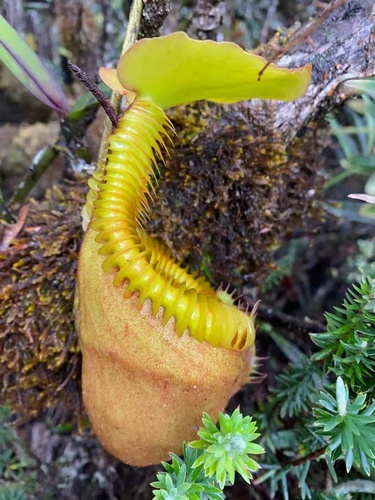
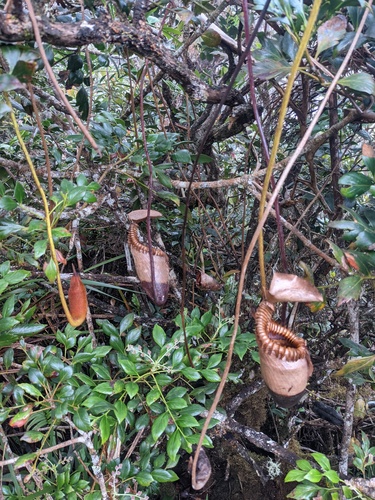
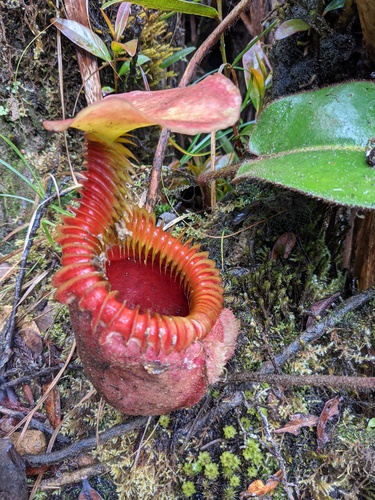
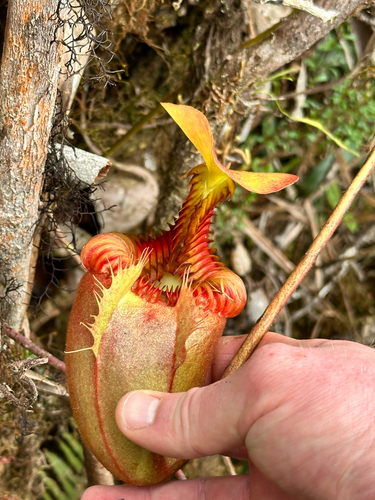
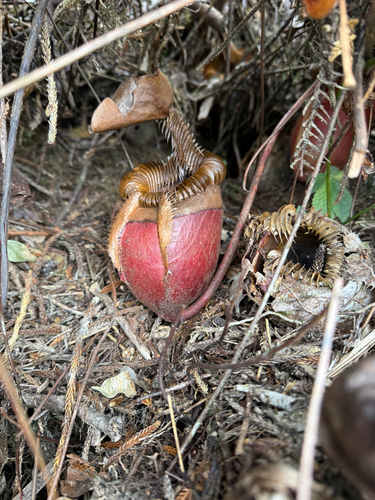
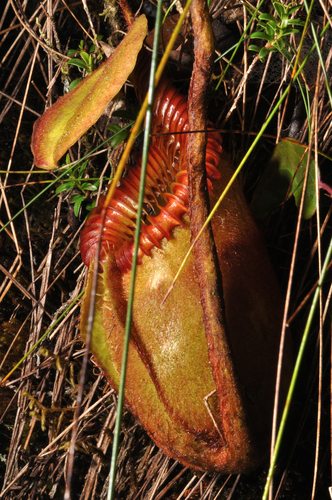
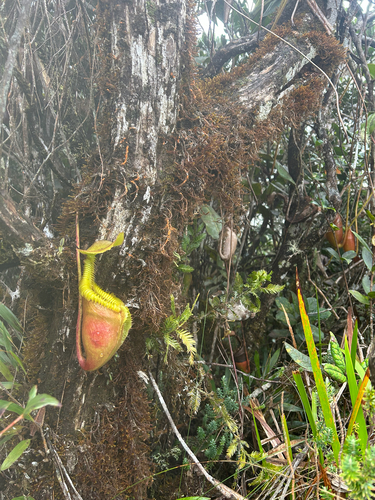
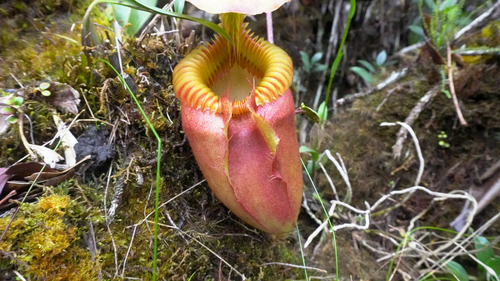
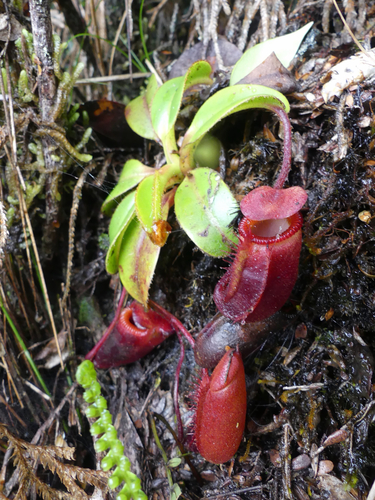
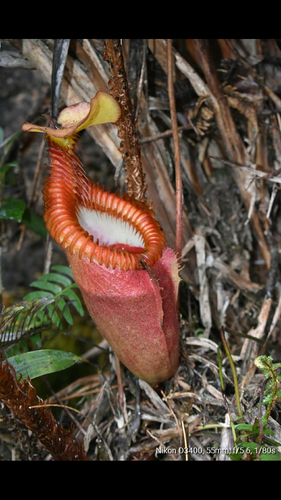
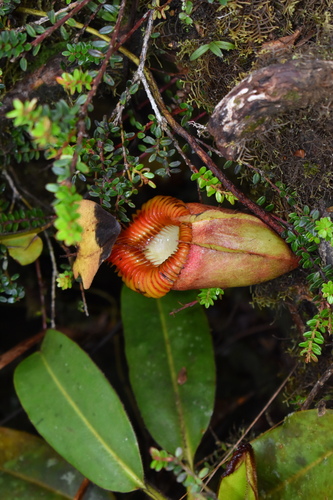
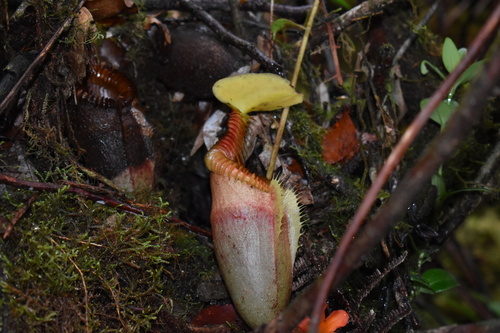
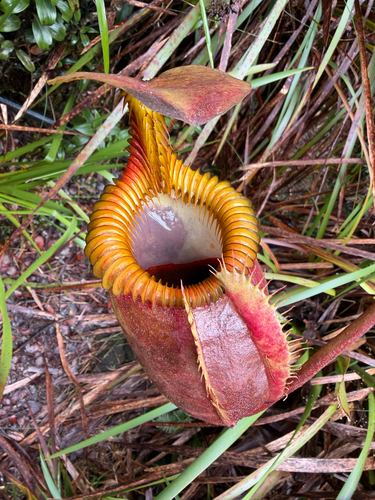
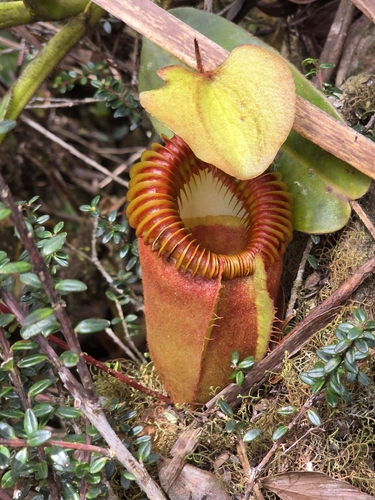
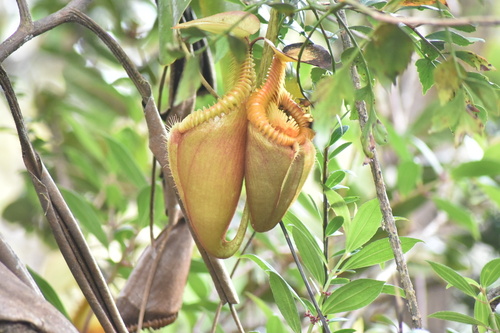
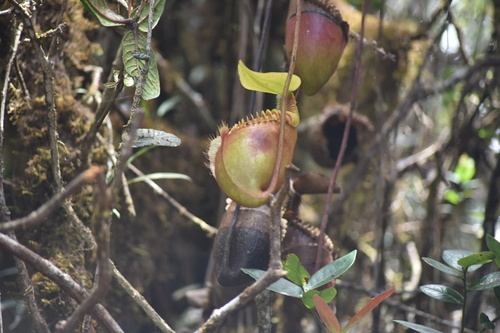
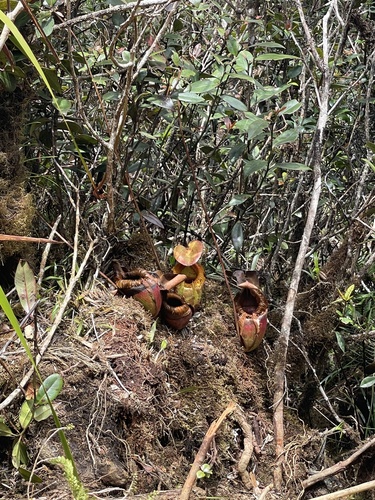
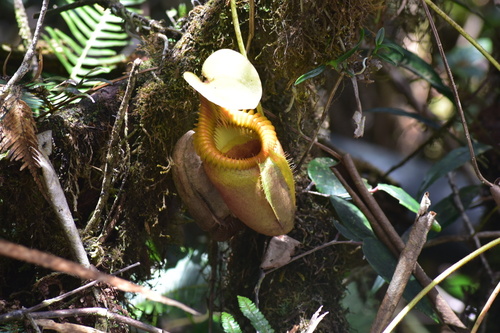
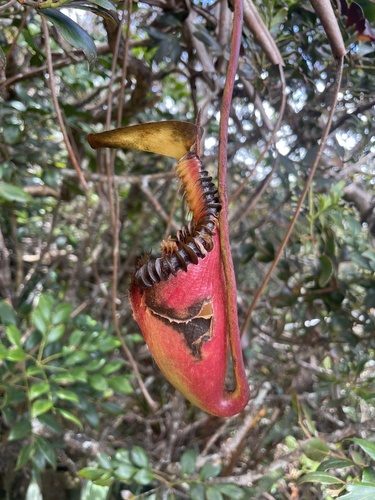
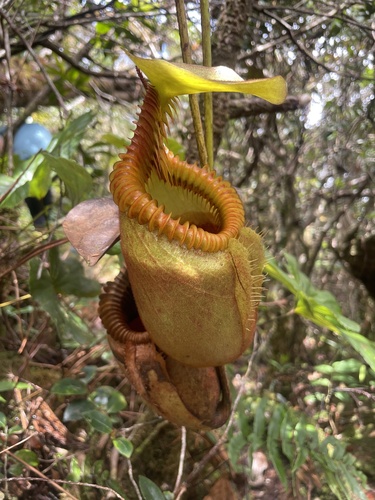
Photos by iNaturalist observers, used under the licence each of them chose. Click a photo for the observation it belongs to.
Asks your browser for your approximate position, rounded to about a kilometre before it is used. It is not stored anywhere, not even in this browser, and is gone when you leave the page.
In Google Maps, right-click a spot and click the coordinates at the top of the menu to copy them, then paste them here. The ground height at those coordinates is looked up automatically; fill in the elevation only to override it, for instance if you grow on a roof or in a valley the terrain data smooths over.